
Synthetic Monitoring Is Broken. Your Production Traffic Can Fix It.
Synthetic monitoring depends on scripts engineers maintain by hand. Capturing and replaying real production transactions turns customer behavior into tests.
Latest insights on API testing, performance optimization, and software development best practices from the Speedscale team.
Synthetic monitoring depends on scripts engineers maintain by hand. Capturing and replaying real production transactions turns customer behavior into tests.
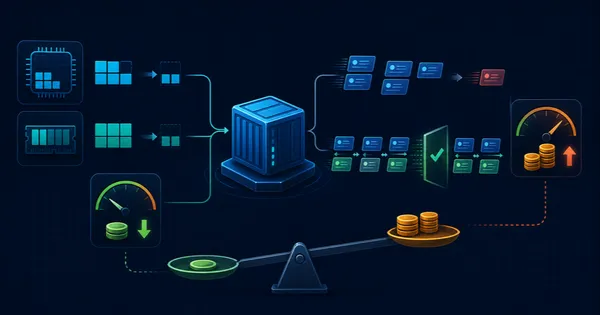
Use OpenCost and proxymock to prove Kubernetes rightsizing lowers cost per successful request without hiding behavior or throughput regressions in testing.
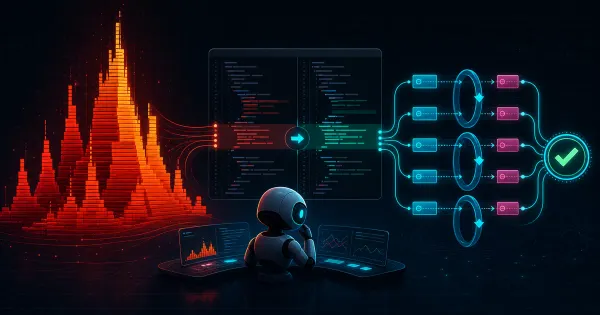
Use Grafana Pyroscope and proxymock with an AI coding agent to find a Go CPU hotspot, preserve API behavior, and verify the performance fix.
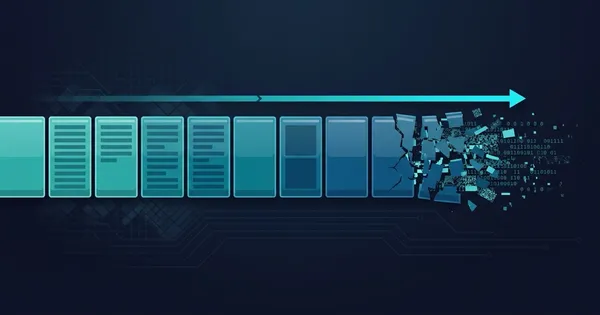
How our nettap eBPF agent produced garbage HTTP bodies from kernel iov_iter scatter-gather buffers, and the CO-RE plus task-local storage fix that made it correct.

The best model isn't the smartest — it's whichever should get the next unit of work. Notes from NVIDIA on routing, local models, and the AI factory.

A production bug survived two confident fixes and green tests. Replaying the captured request exposed the missing state and proved the real fix.

Testing AI applications with invented traffic looks fine until real users arrive. Then come the retries, the fallback models, and the token bill.

AI pushed throughput up 59%, yet median delivery got worse. The bottleneck moved to validation. How replaying production traffic in CI closes the gap.
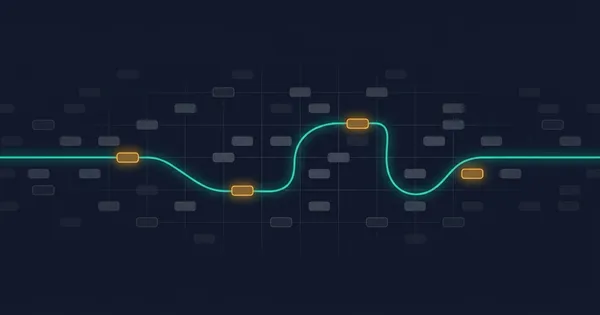
The trace was sampled out. I found the bug anyway — by filtering recorded traffic on the customer's email instead of a trace ID. Here's how to follow one request across four services with no trace IDs and no OpenTelemetry.