4 Tips for Developing Model Context Protocol Server
The Model Context Protocol (MCP) is rapidly becoming the connective tissue for agentic AI systems and IDE tooling.
Latest insights on Agentic AI workflows, cloud native architectures, and performance optimization best practices from the Speedscale team.
Search answers across the full blog library
The Model Context Protocol (MCP) is rapidly becoming the connective tissue for agentic AI systems and IDE tooling.

Add continuous performance tests to CI with bounded smoke checks and scheduled load runs. Choose meaningful gates and handle noisy results with baselines.
Compare API mocking tools. Choose function stubs, examples, or recorded network responses, and keep fixtures aligned with the intended contract.
Choose API testing tools for exploration, CI regression, and dependency isolation. Compare assertions, protocols, workflows, and migration requirements.

A scoped chaos rule takes one dependency down and nothing else, so the fallback branch in your code executes on demand instead of during an outage.
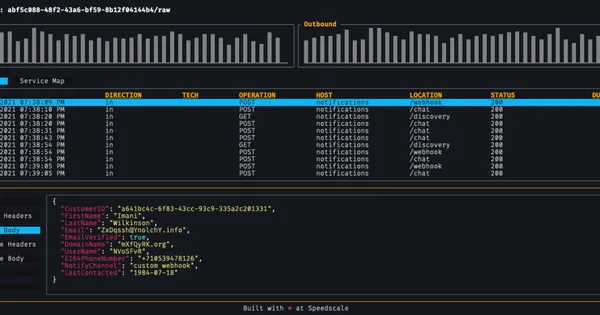
Export recorded HTTP requests to Postman collections. Add assertions, test credentials, and variables, then review updates before running in CI.
Capture API responses once with proxymock and replay them in CI. Eliminate flaky tests from rate limits, downtime, and slow external dependencies.

Combine load testing and mocks to isolate service performance. Learn when dependencies should stay real and how to avoid misleading capacity results.
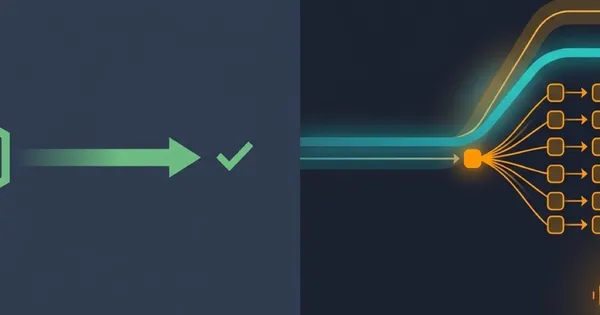
Compare recorded SQL between releases with proxymock. Find query-count drift, new statements, captured DDL, and timing changes that HTTP tests can miss.
Test gRPC streams with clear boundaries for recorded mocks, real message buses, cancellation, flow control, and supported streaming versions.