The CES Hangover: 3 Expensive Hardware Fails That Were Actually Software Problems
Introduction
The dust has settled on Las Vegas. We saw transparent TVs, cars that drive sideways, and enough “AI-powered” toothbrushes to confuse a dentist. CES is incredible at selling the dream of hardware. The demos are slick, the lighting is perfect, and everything works on the showroom floor.
But as engineers, we know the dirty secret of CES: The hardware is the easy part.
The real nightmare begins when that device leaves the controlled environment of the booth and hits the chaotic reality of the real world. CES 2026 gave us some brutal reminders that you can spend millions on industrial design, but if your APIs hang or your microservices glitch, you don’t have a product—you have a PR disaster.
Here are three high-profile fails from the show, and the expensive software lessons we can learn from them.
Fail #1: The $80,000 Car vs. The Key Fob
The Hype: The Lucid Gravity is a stunning piece of automotive engineering. It’s fast, luxurious, and won awards before it even launched.
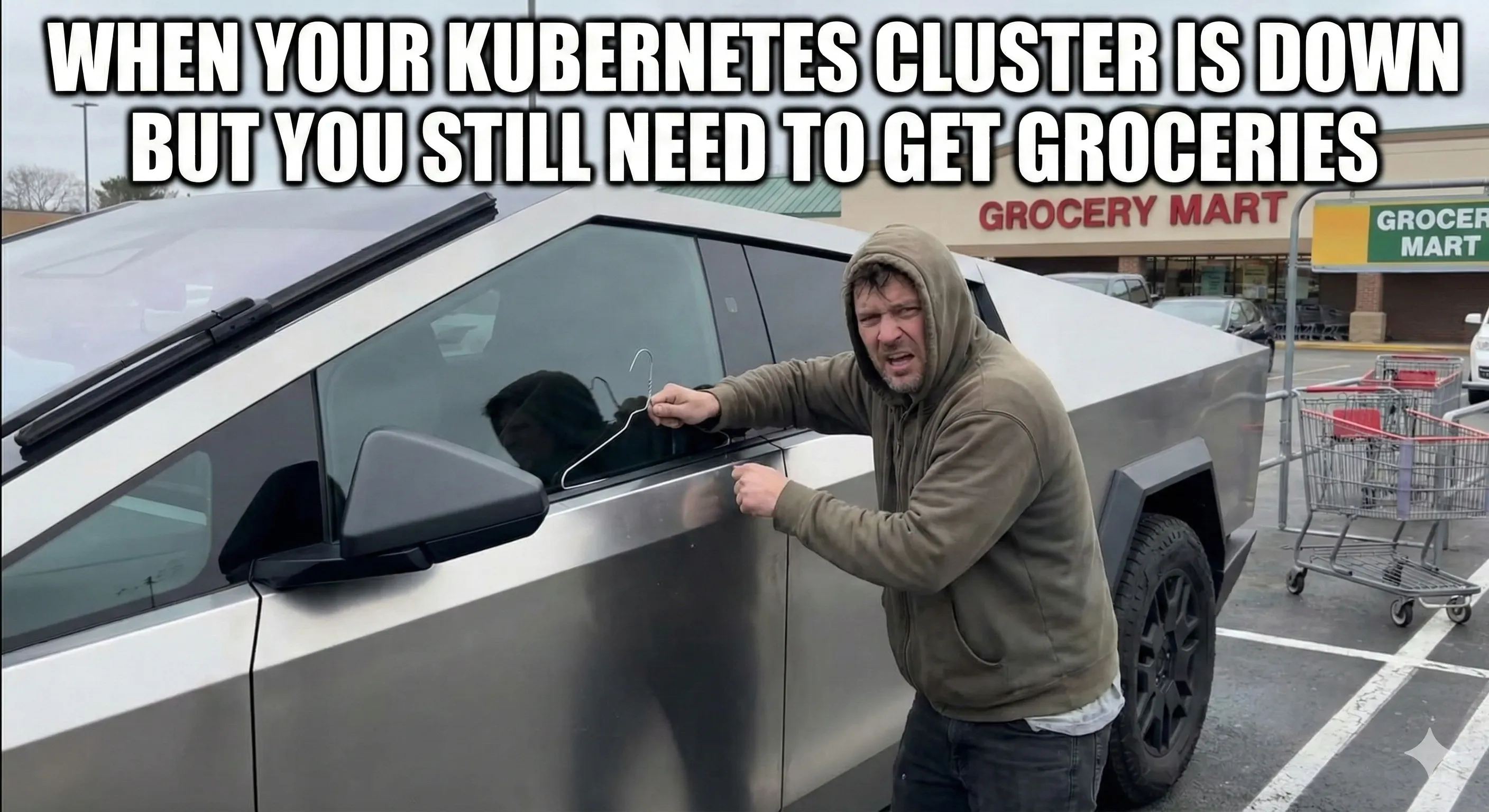
The Reality: It doesn’t matter how fast the car is if you can’t get inside it. Lucid faced a crisis where key fobs weren’t communicating properly with the vehicle, locking owners out, alongside massive dashboard screens freezing up. The failure was so severe that the CEO replaced almost the entire software leadership team.
The Lesson: This is the ultimate “It worked in the lab” failure. They likely tested the key fob in a quiet RF environment with low latency. They didn’t test for the chaos of 50,000 simultaneous connections or interfering signals. Traffic Replay isn’t just for websites; it’s for simulating the crush of real-world usage against your authentication services before the keys are handed to customers.
Fail #2: The AI Fridge That Couldn’t Hear You
The Hype: Samsung’s “Bespoke AI” appliances promised a Jetsons-like future where your fridge manages your groceries via voice commands.
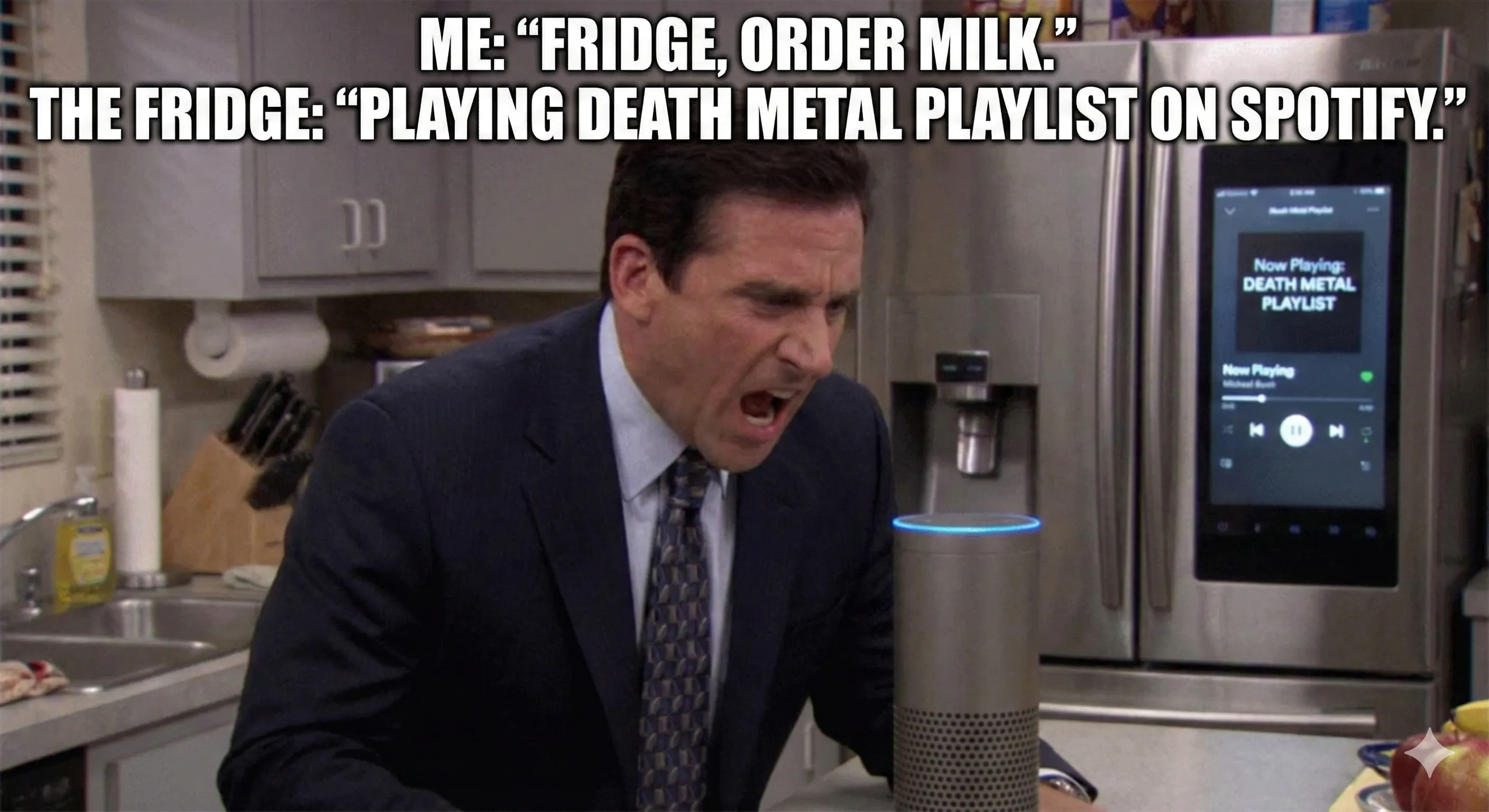
The Reality: It won a “Worst in Show” award. Why? Because on the incredibly noisy, crowded CES floor, the voice recognition failed repeatedly. It couldn’t distinguish commands from background noise, making the core feature useless during the most important demos of the year.
The Lesson: Your testing environment is too clean. If you only test your APIs with “perfect” inputs, you will fail in production. You need to Mock bad environments. What happens when the input data is garbled? What happens when the audio file sent to the cloud is corrupted? If your system can’t degrade gracefully when the inputs are messy, it’s not ready to ship.
Fail #3: The “Thinking…” Infinite Loop
The Hype: Every gadget this year—from pins to mirrors to rabbits—claimed to have integrated ChatGPT-level AI. The promise was instant, magical answers to any question.
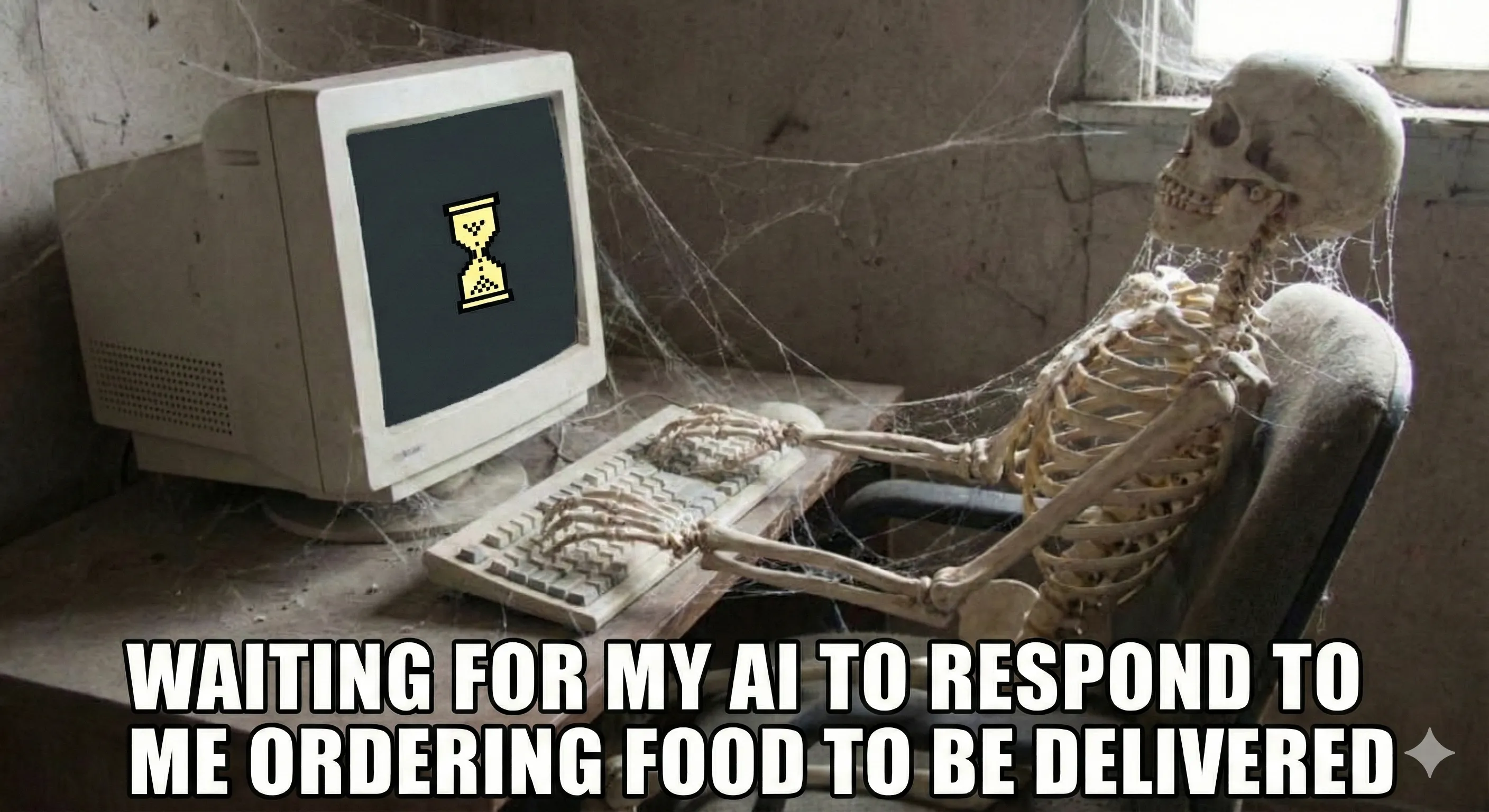
The Reality: The latency hangover. Many of these devices aren’t running models locally; they are making API calls to the cloud. On the crowded Vegas Wi-Fi, users found themselves asking a question and then staring at a spinning loading icon for 10 seconds while the device waited for OpenAI to respond. The magic dies fast when your smart device is slower than pulling out your phone.
The Lesson: You cannot control third-party APIs. You don’t know when OpenAI, Anthropic, or Google will throttle you or have a latency spike. You must use Mocking to simulate these conditions. Force your application to wait 5 seconds for an API response during testing. Does your UI freeze? Does the device crash? If you don’t test for latency, your users will experience it for you.
The Bottom Line
Hardware steals the show, but software pays the bills.
These companies didn’t fail because their ideas were bad. They failed because they underestimated the gap between a controlled demo and chaotic reality.
Don’t let your team be the next CES meme. Stop guessing how your backend will handle launch day. Use actual traffic and mock the chaos of the real world, so when you finally unveil your product, it actually works.