
eBPF: Correlating rustls Plaintext to TCP Connections Without a File Descriptor
Follow an eBPF debugging trail through rustls, Tokio inlining, and an empty map to learn how TLS plaintext gets matched to the right TCP connection.
Latest insights on Agentic AI workflows, cloud native architectures, and performance optimization best practices from the Speedscale team.
Follow an eBPF debugging trail through rustls, Tokio inlining, and an empty map to learn how TLS plaintext gets matched to the right TCP connection.
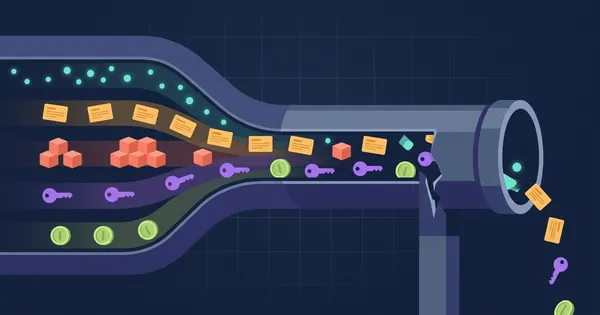
Teams run inventory, security logs, request routing and billing through OpenTelemetry. Five non-observability uses, and the failure mode of each.

Part 10 of Getting Started with Mocks: use proxymock to record real API traffic, inject failures, verify side effects, and expose contract drift.

Part 4 of Getting Started with Mocks: the notifier stops returning a message and starts sending one, so the test needs a spy instead of a return value.

Part 3 of Getting Started with Mocks: the same seam, now returning refusals, timeouts and nonsense, so the failure paths finally get tested.

Part 7 of Getting Started with Mocks: a fake HTTP server finally runs the real client, so paths, headers, and parsing get tested. Java, Node, Go, Python.

Part 5 of Getting Started with Mocks: a test that pinned the retry schedule broke on a change no customer could notice. Here is how to rewrite it.

Part 6 of Getting Started with Mocks: stub, spy, fake, mock, and dummy, sorted by what each one does. Java, Node, Go, Python.
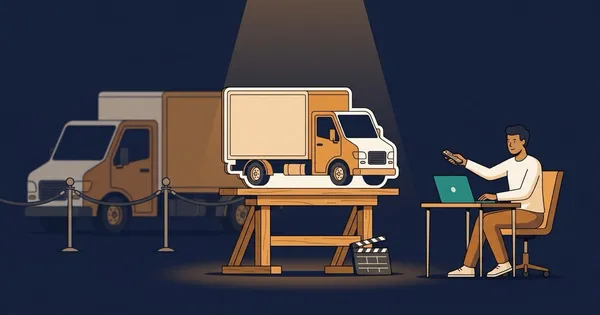
Part 1 of Getting Started with Mocks: the one job a mock does, the five situations where you need one, and what a green mocked test does not prove.
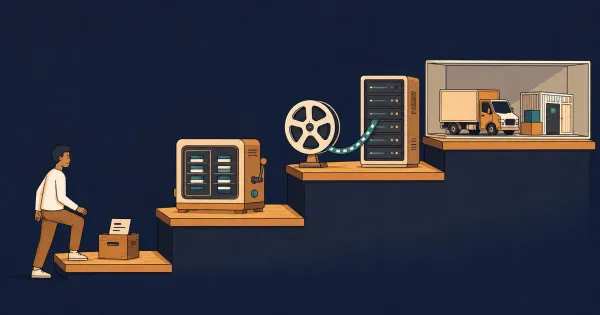
Part 9 of Getting Started with Mocks: a decision framework for stubs, fakes, fake servers, mock servers, record-and-replay, and real dependencies.