
How to Calculate TPS for Kubernetes Performance
Calculate TPS from completed transactions and a measured time window. Distinguish requests, business outcomes, retries, latency, and errors.
Latest insights on API testing, performance optimization, and software development best practices from the Speedscale team.
Calculate TPS from completed transactions and a measured time window. Distinguish requests, business outcomes, retries, latency, and errors.

Diagnose serial N+1 API calls with Tempo and proxymock. Replay recorded traffic, inspect trace windows, and prove a concurrency fix preserves behavior.

Part 4 of Getting Started with Mocks: the notifier stops returning a message and starts sending one, so the test needs a spy instead of a return value.

Create ephemeral environments when deployed testing adds value. Version test data, define ownership and expiry, and verify cleanup of external resources.

Choose tests for ephemeral environments, keep real integration gates, isolate branch data, and retain evidence before teardown.
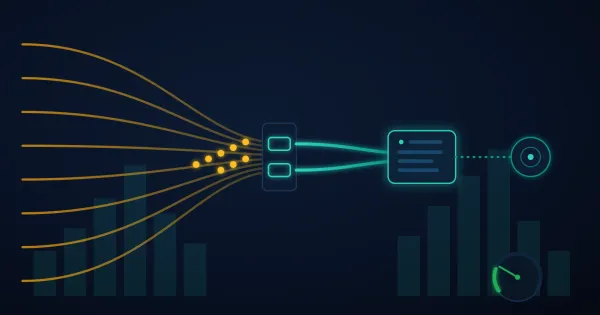
Diagnose a p95 latency regression that CPU profiling cannot explain using Prometheus histograms, then prove the fix with identical proxymock replays.

Record real LLM traffic from a FastAPI app, mock it locally, and replay it in CI with proxymock.
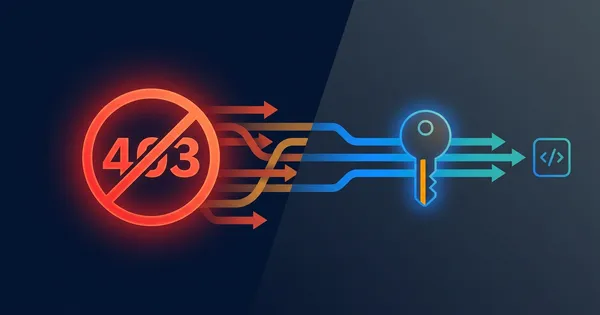
Replay an authenticated flow and the protected calls fail with 403. Here is how proxymock recommendations fix the expired bearer token in one click.

Use GoMock with small Go interfaces, pinned mock generation, and runnable tests. Learn when an HTTP test server or real dependency check is needed.