4 Tips for Developing Model Context Protocol Server
The Model Context Protocol (MCP) is rapidly becoming the connective tissue for agentic AI systems and IDE tooling.
Co-founder and CTO of Speedscale, expert in Agentic AI and cloud data warehousing. • 9 posts published
The Model Context Protocol (MCP) is rapidly becoming the connective tissue for agentic AI systems and IDE tooling.

Choose API testing tools for exploration, CI regression, and dependency isolation. Compare assertions, protocols, workflows, and migration requirements.

A scoped chaos rule takes one dependency down and nothing else, so the fallback branch in your code executes on demand instead of during an outage.

Export recorded HTTP requests to Postman collections. Add assertions, test credentials, and variables, then review updates before running in CI.

Compare recorded SQL between releases with proxymock. Find query-count drift, new statements, captured DDL, and timing changes that HTTP tests can miss.

Diagnose serial N+1 API calls with Tempo and proxymock. Replay recorded traffic, inspect trace windows, and prove a concurrency fix preserves behavior.

Part 4 of Getting Started with Mocks: the notifier stops returning a message and starts sending one, so the test needs a spy instead of a return value.
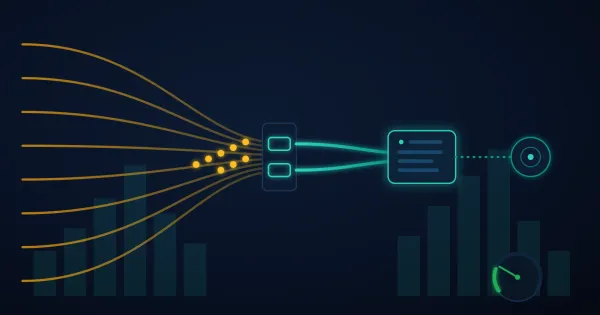
Diagnose a p95 latency regression that CPU profiling cannot explain using Prometheus histograms, then prove the fix with identical proxymock replays.
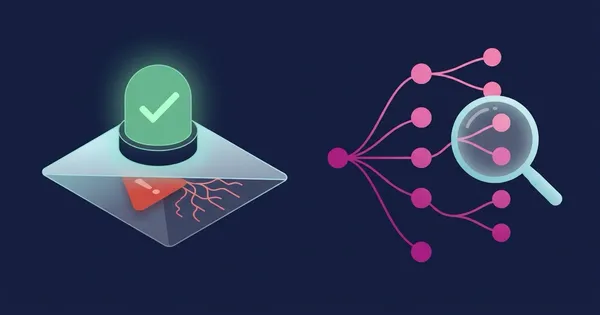
Generate GraphQL tests and mocks from a schema with proxymock, catch failures hidden inside HTTP 200 responses, and flag schema changes before clients break.
Choose the desktop proxymock or the hosted cloud trial to get started.